
THERMISIGHT DYNAMICS LLC
See What Others Can't.™
 Lithuania / EU
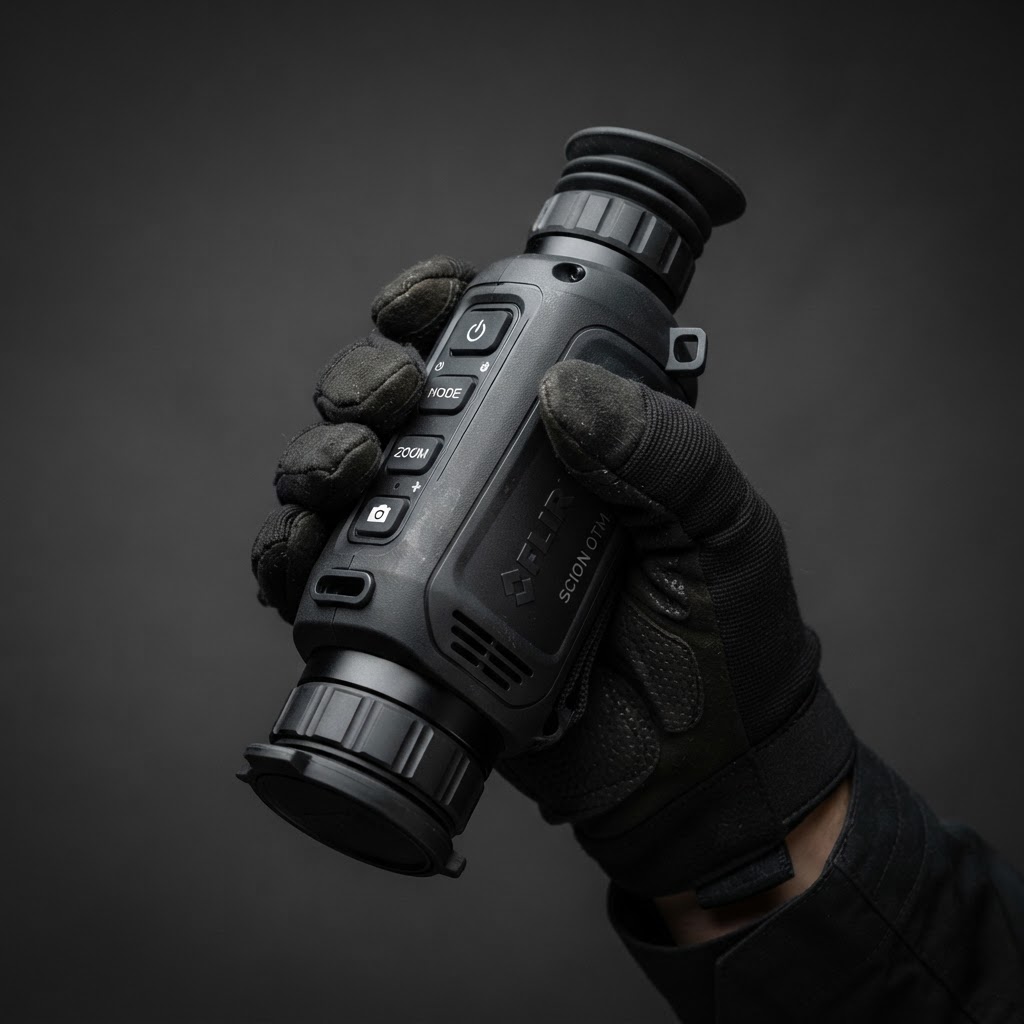
Pulsar Thermal Monocular Advanced
NDAA §889 compliant · U.S. end-use only
In stock
Pulsar Thermal Monocular Advanced — Advanced tier test product for industrial storefront. Placeholder item for catalog filter and search validation.
Watch on YouTube
No demo video for this exact model yet — browse our channel for field tests and walkthroughs.
U.S. export-controlled. Thermal and night-vision devices are subject to U.S. ITAR/EAR controls and are not exportable outside the United States. By checking the box you confirm you are a U.S. person purchasing for end-use within the United States. See our Export Compliance policy.
Check the U.S. export compliance box above to enable Add to cart
Why This Product
The Pulsar Thermal Monocular Advanced is a handheld thermal monocular designed for fast target spotting and scouting on the move. Its 640×640 sensor and 25 mK NETD sensitivity delivers exceptional contrast in rain, fog, and high humidity. A built-in laser rangefinder gives you exact distance for precise holdover, and the optic identifies heat signatures out to 1200 yards. At 18 oz, it's lightweight enough for all-day carry without fatigue. Backed by 24-month warranty and Thermisight's veteran-owned service team.
Expert Video Reviews
Watch expert reviews on YouTube
See the Pulsar Thermal Monocular Advanced in action — hands-on reviews, field tests & comparisons
Warranty
3-year limited manufacturer warranty
- Covers defects in materials & workmanship
- 30-day satisfaction return window
Financing Calculator
- Purchase price
- $7,499
- APR
- 0%
- Down payment
- $0
- Total of payments
- $7,499
Estimates only. Subject to credit approval at checkout. Select "Pay over time" during checkout to apply.
Complete your kit
Compatible accessories for your Pulsar Pulsar Thermal Monocular Advanced.


Specifications
- Resolution
- 640x640 | NETD: 25mK | Weight: 18oz
Compare detection range & sensitivity
Side-by-side with similar thermal monocular optics. Lower NETD = better thermal sensitivity; higher detection range = farther identification.
| Spec | | | | | |
|---|---|---|---|---|---|
| Detection range | 1,200 yd | 2,200 yd | 2,200 yd | 2,200 yd | 2,000 yd |
| Sensitivity (NETD) | 25 mK | 60 mK | 60 mK | 60 mK | 18 mK |
| Sensor res. | 640×640 | 256×256 | 640×640 | 640×640 | 640×640 |
| Objective | 25mm | 75mm | 75mm | 75mm | 25mm |
| LRF | Yes | Yes | Yes | No | Yes |
| Price | $7,499 | $12,999 | $12,999 | $3,499 | $12,999 |
Best-in-row values are shown in accent. Your current optic is highlighted.
More from Pulsar
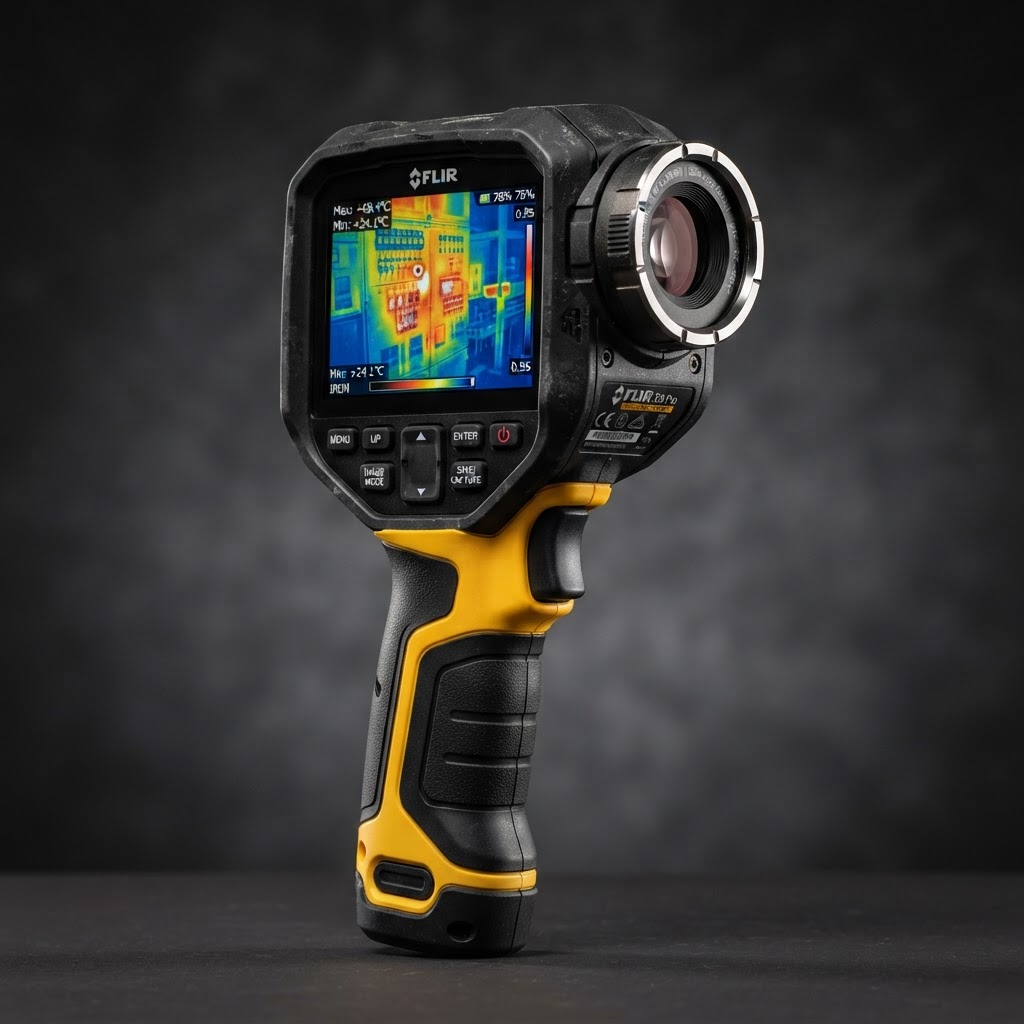
Pulsar IC-640 Flagship Thermal System
Pulsar
Lithuania / EU$7,499
Pulsar Proton DP178 Drone Thermal Payload
Pulsar
Lithuania / EU$7,499
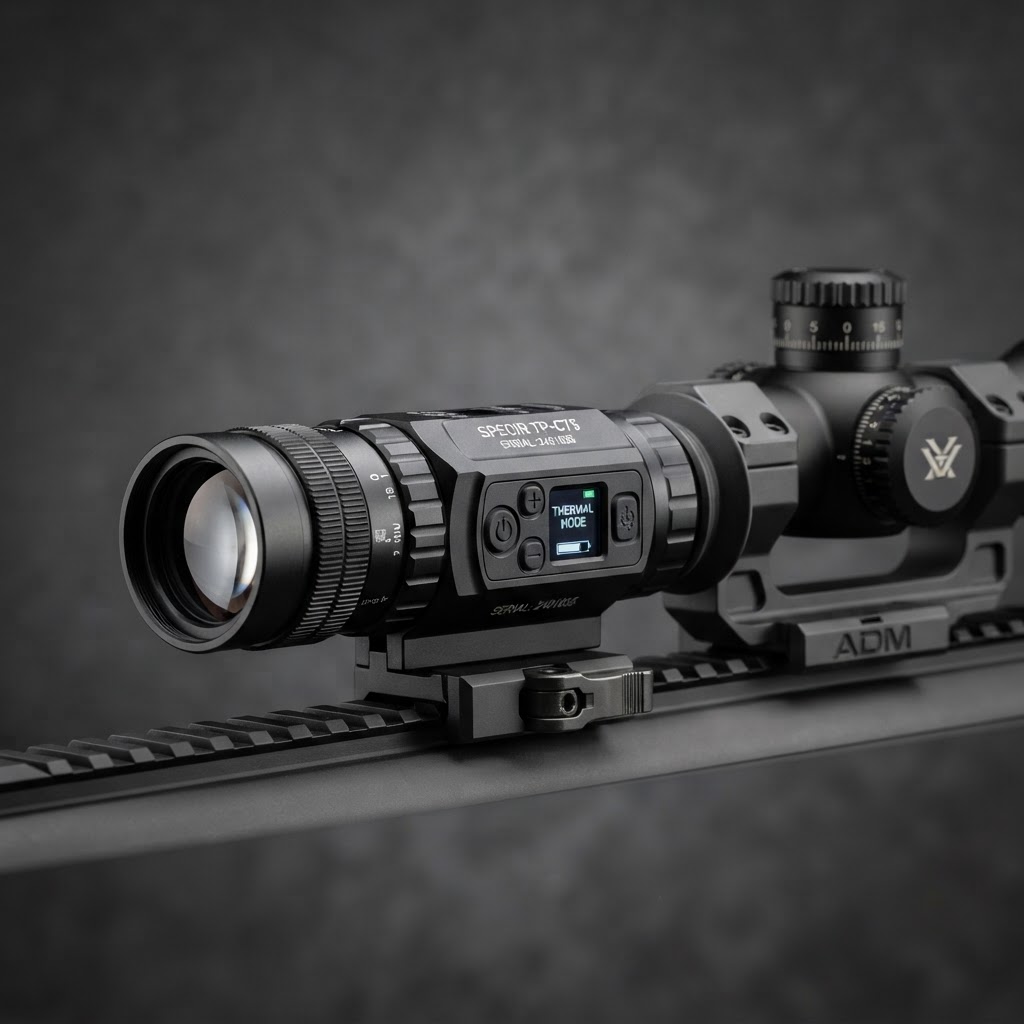
Pulsar Proton RC175 Thermal Clip-On
Pulsar
Lithuania / EU$3,499
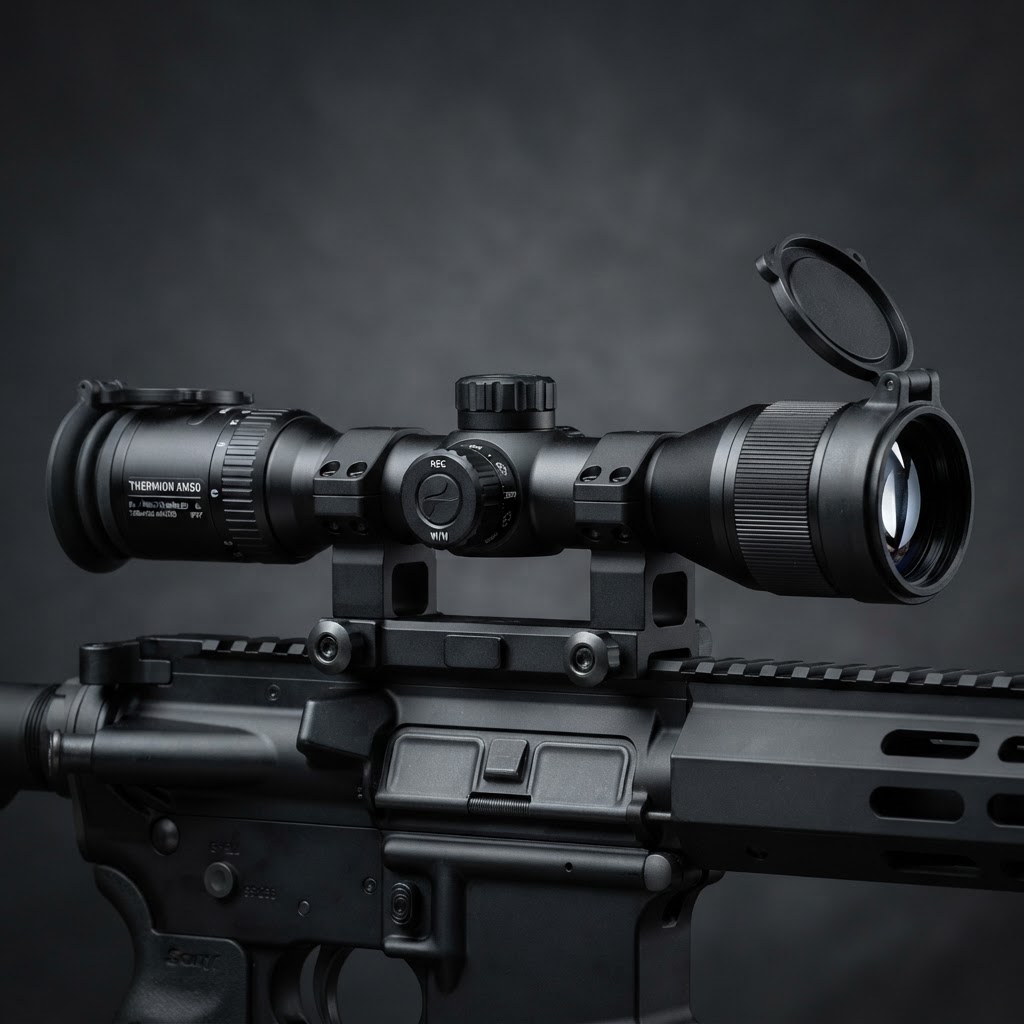
Pulsar Proton RS173 Thermal Scope
Pulsar
Lithuania / EU$3,499
Pulsar Proton RM174 Thermal Monocular
Pulsar
Lithuania / EU$7,499
Pulsar IC-640+ Expert Industrial Camera
Pulsar
Lithuania / EU$7,499
You might also need
Cross-division gear for overlapping missions — Thermisight Drone

or $1,292/mo · 0% APR

or $333/mo · 0% APR
or $750/mo · 0% APR
Related guides
All guides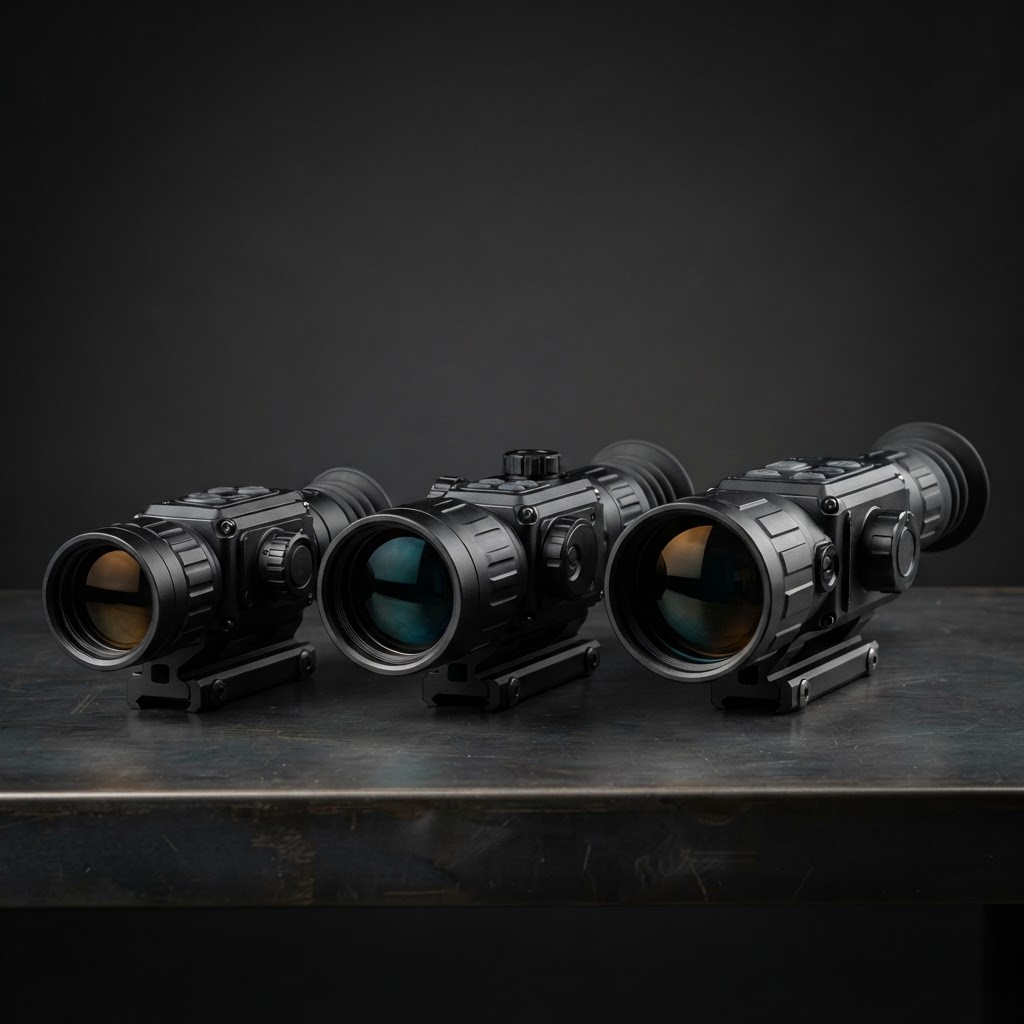
Which Thermal Brand Fits Your Mission?
Every thermal maker has a philosophy. Here's the honest read on each manufacturer we carry — and the shooter they suit.
7 min read
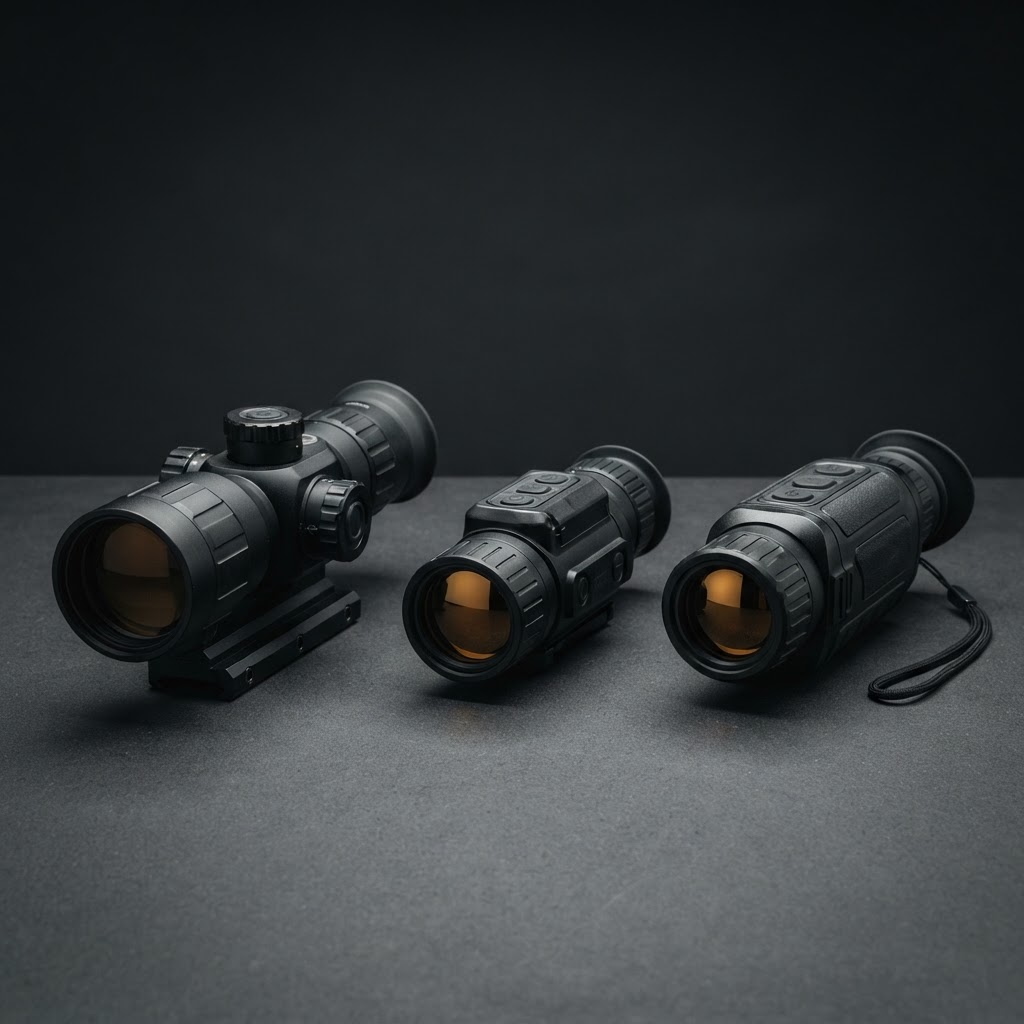
Dedicated Scope, Clip-On, or Monocular? Choosing Your Thermal Format
Three formats, three jobs. Here's how to pick the right thermal form factor for how you actually hunt.
5 min read
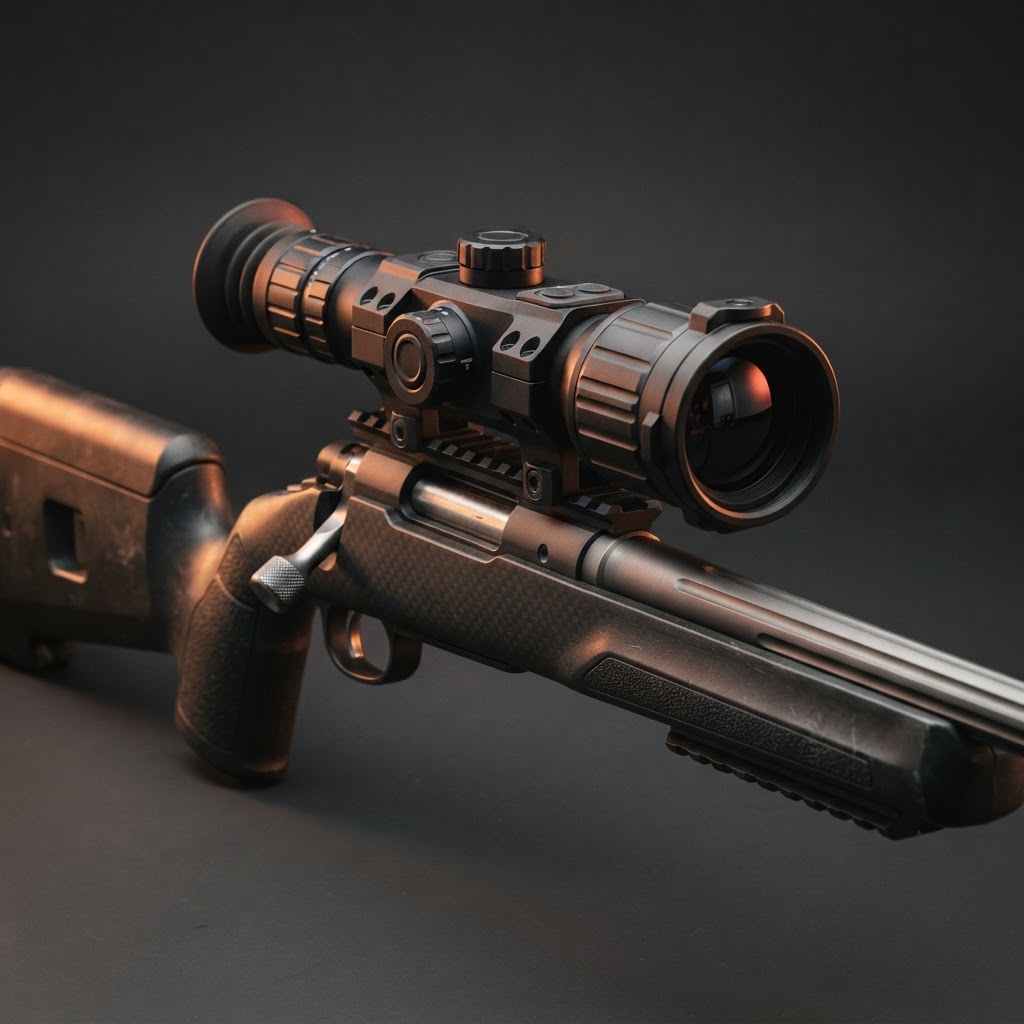
Best Thermal Scopes Under $4,000
The three things that actually move the needle under $4K — and which real models we'd put on our own rifles.
5 min read
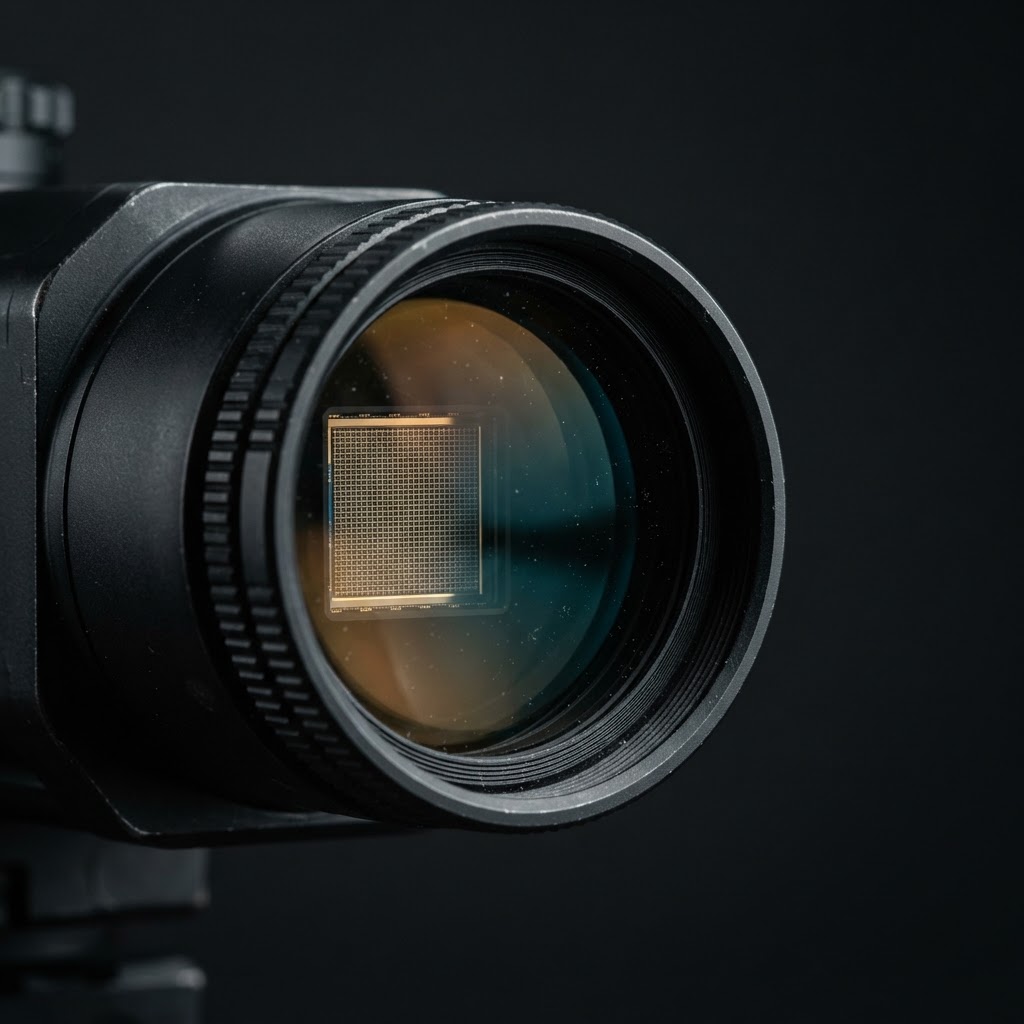
256 vs 384 vs 640: Which Thermal Sensor Do You Need?
More pixels mean more detail and range — but also more cost and weight. Here's how to match the sensor to your shooting.
4 min read
Care & Maintenance
Lens Care
- •Clean the objective lens with a microfiber cloth and optical-grade solution only.
- •Blow off dust before wiping to prevent scratching the germanium lens.
- •Keep the lens cap on when stored in a pack or pocket.
Battery & Power
- •Remove batteries for storage longer than 30 days.
- •Carry a spare battery in cold weather — lithium cells drain faster below 32°F.
- •Use only manufacturer-approved batteries to avoid warranty void.
Storage & Environment
- •Store in its case in a dry, temperature-controlled environment.
- •Avoid prolonged exposure to direct sunlight when not in use — the sensor can retain heat and affect calibration.
- •Allow the optic to acclimate to ambient temperature before use after moving between extreme environments.
Questions & Answers
Ask a question — get an instant answer from our optics team.
No questions yet — be the first to ask.
Reviews
No reviews yet.